贴金工艺
By Modenese Gastone Interiors SRL
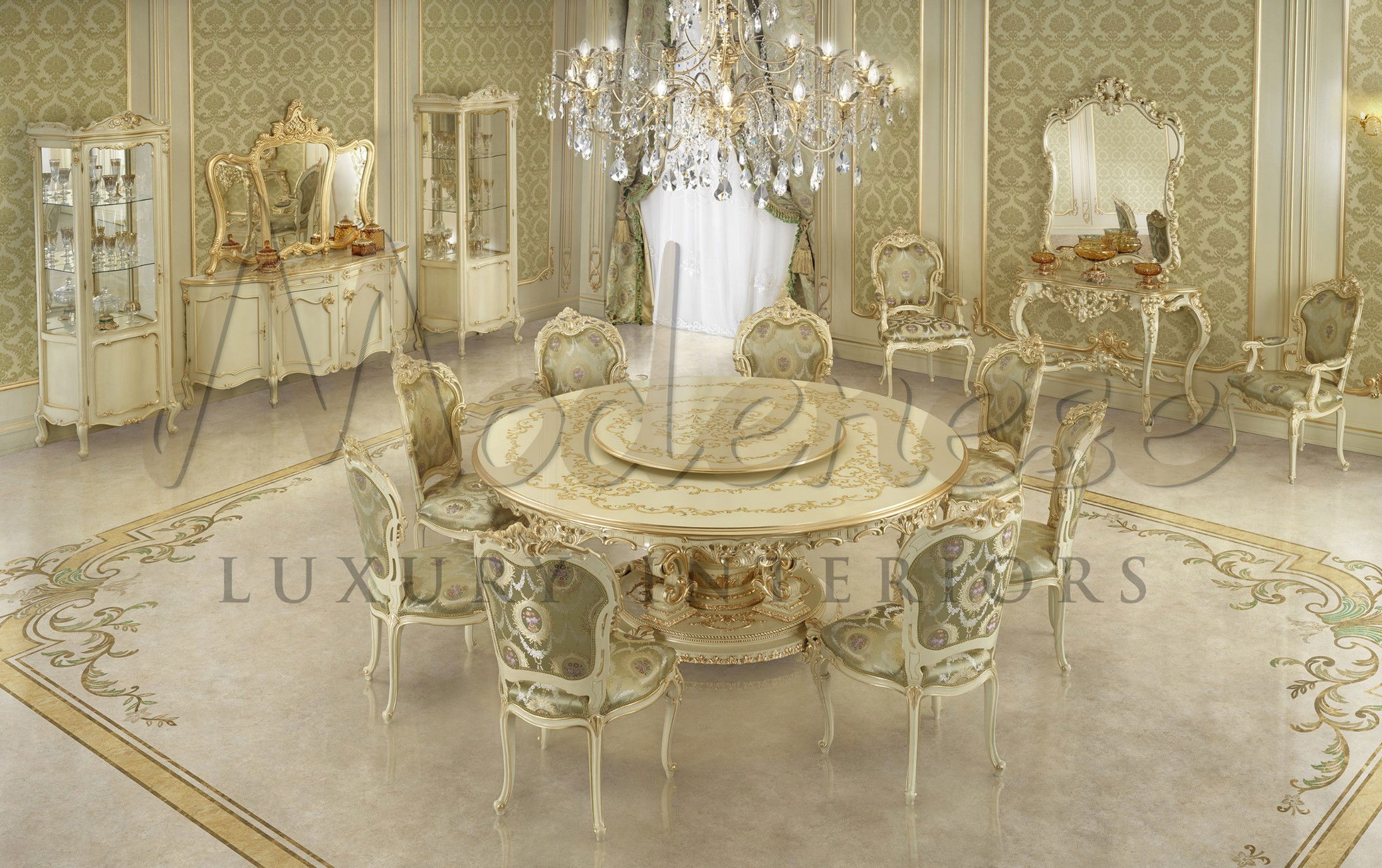
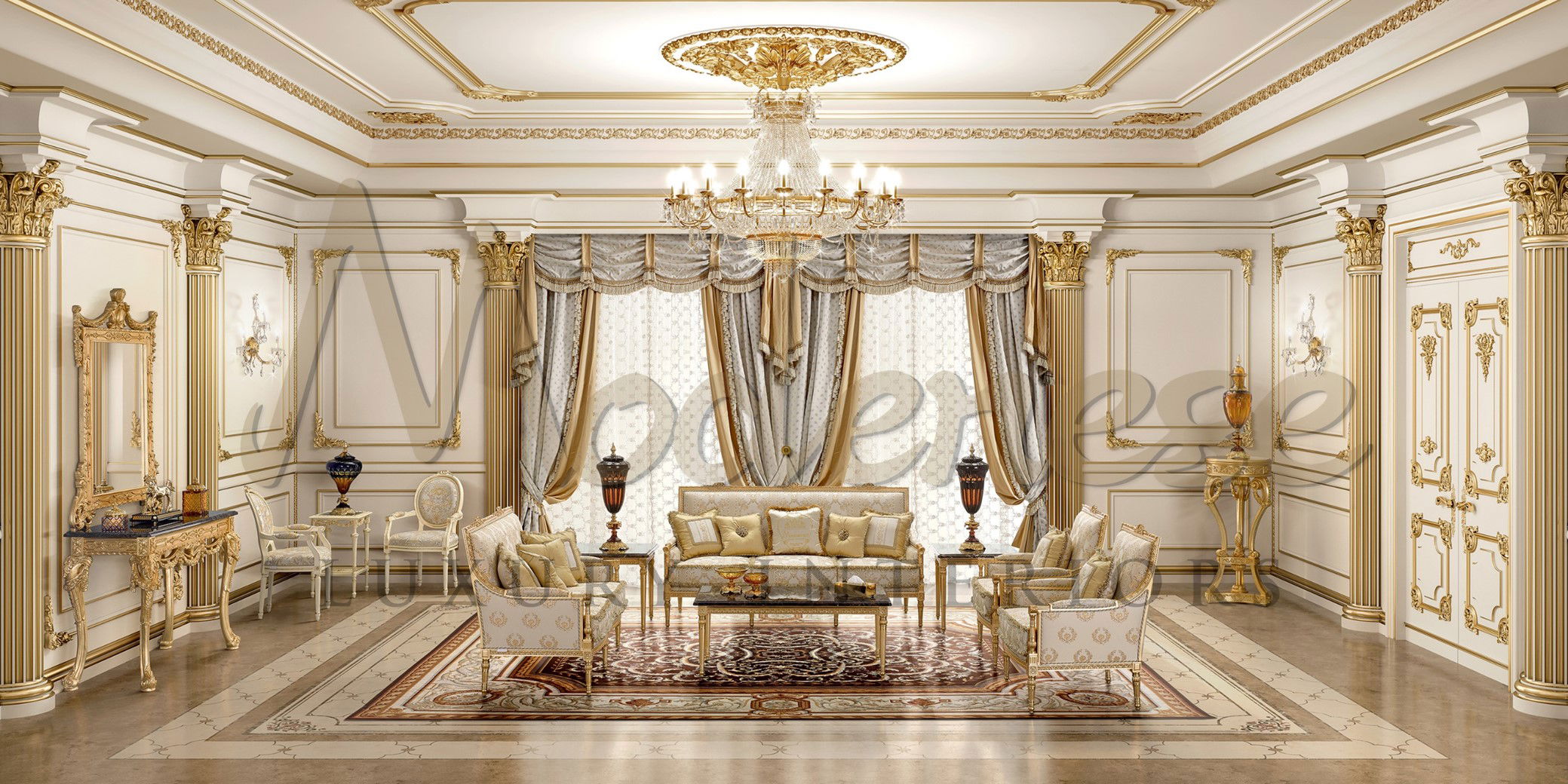
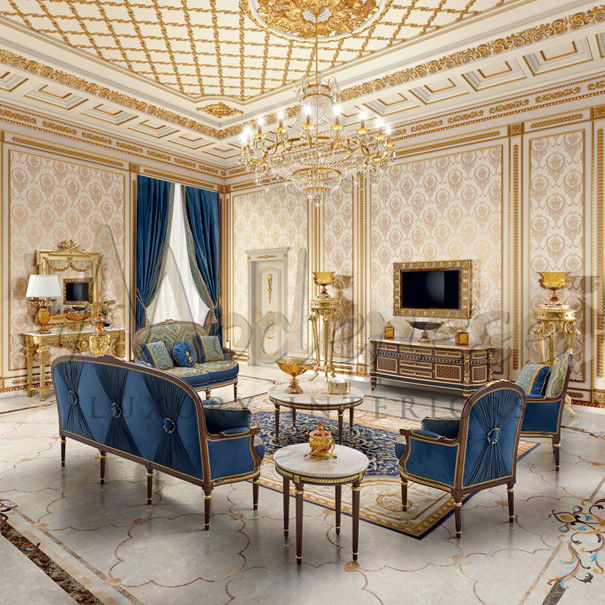
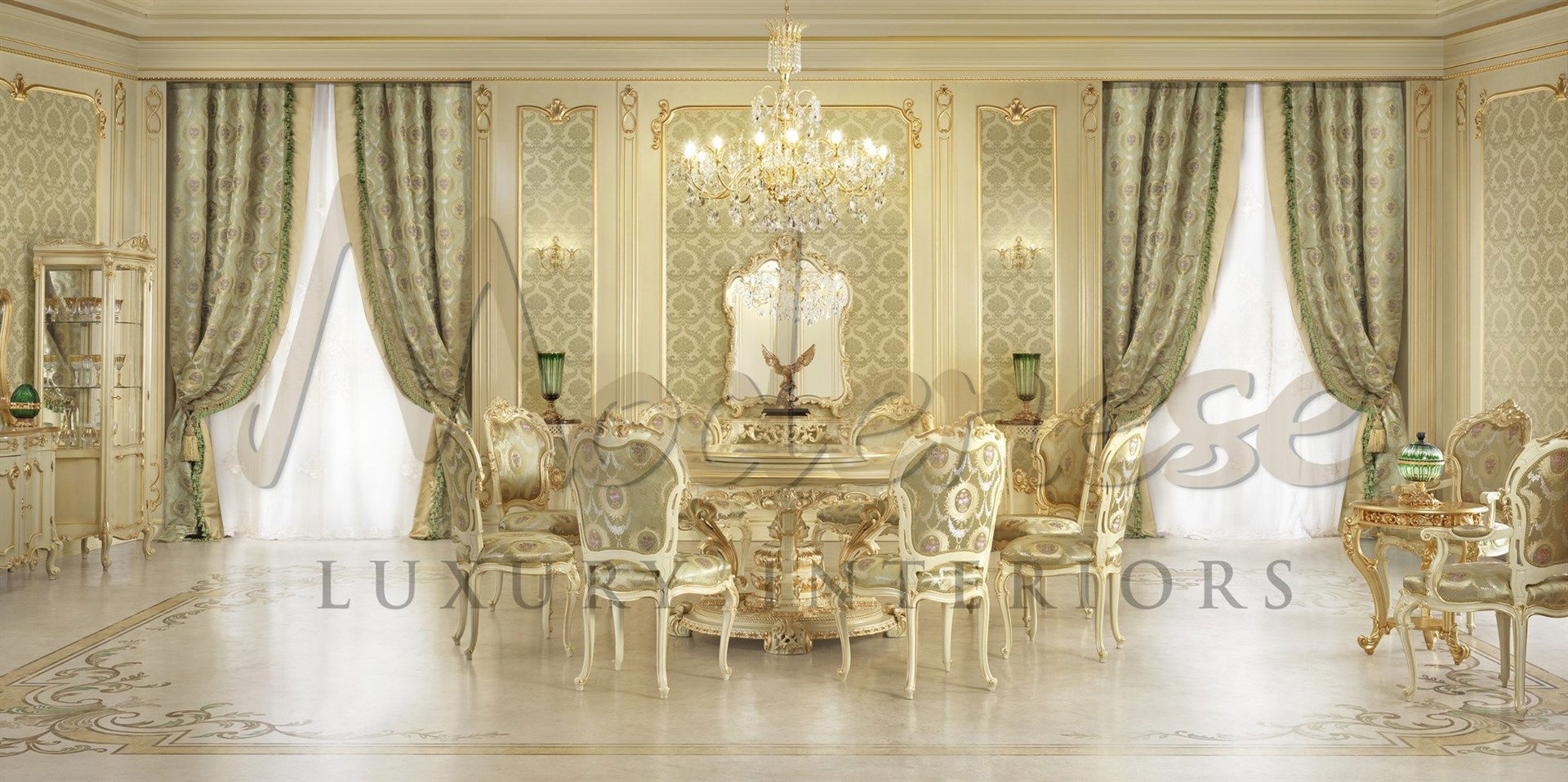
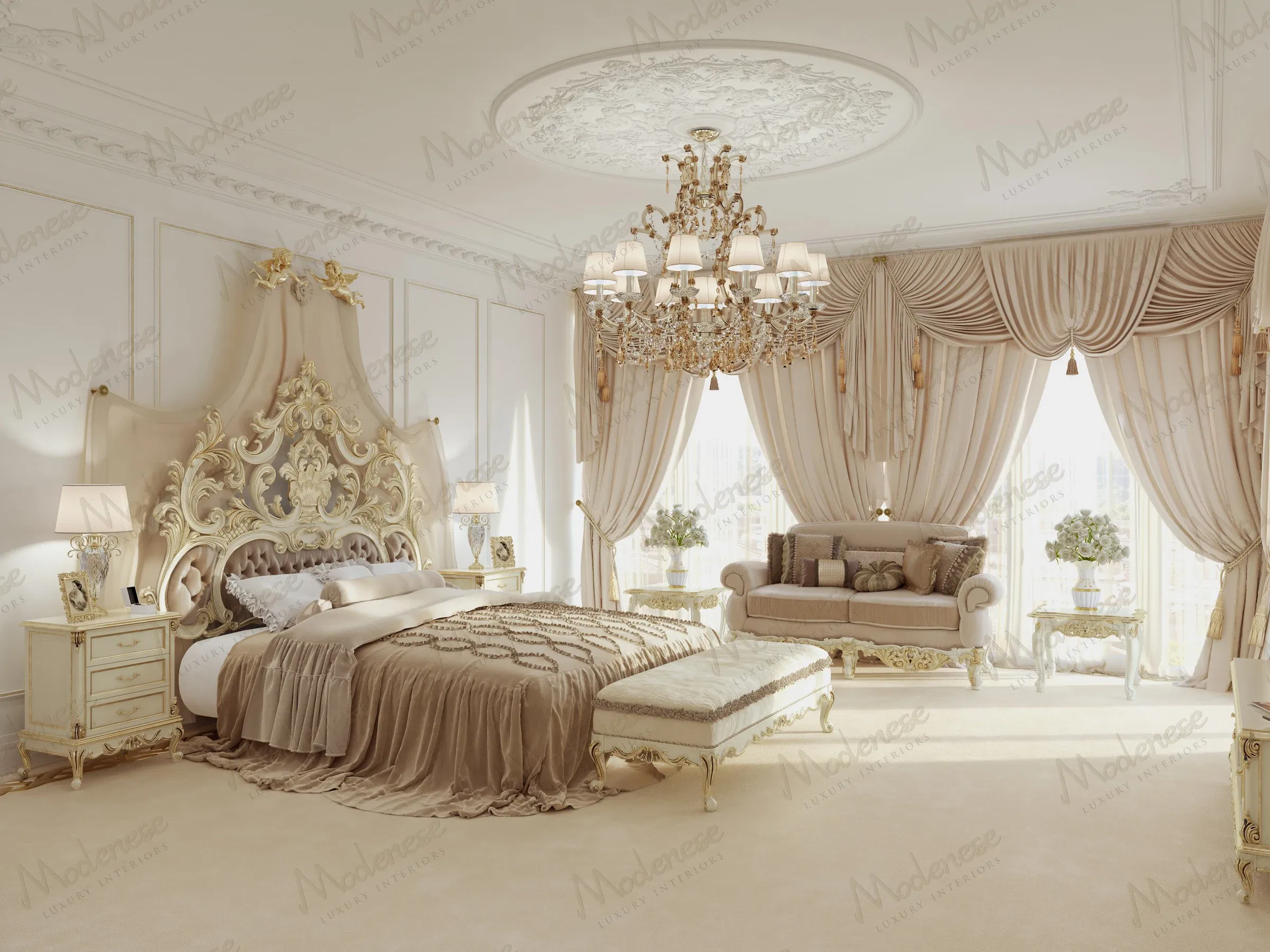
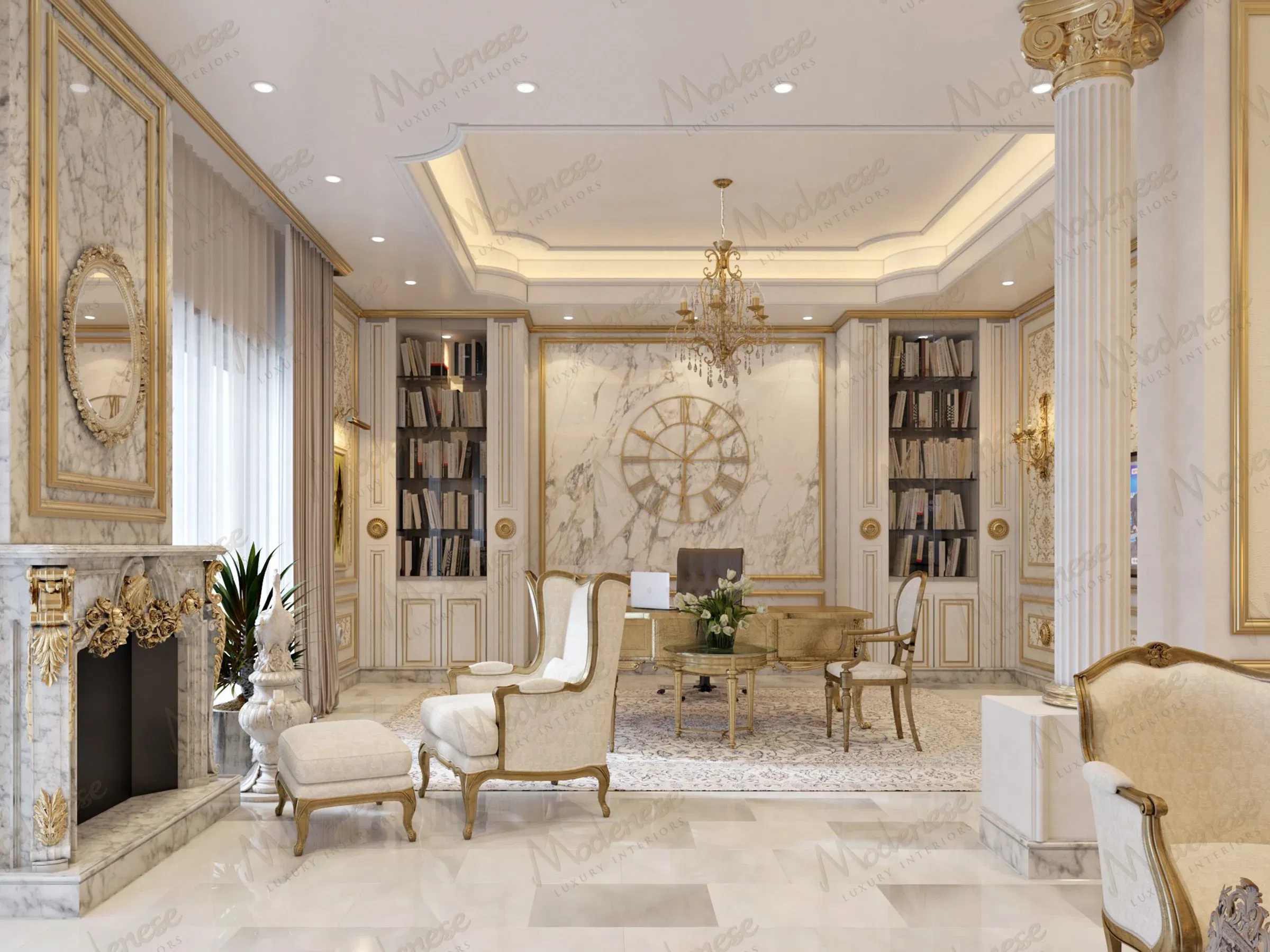
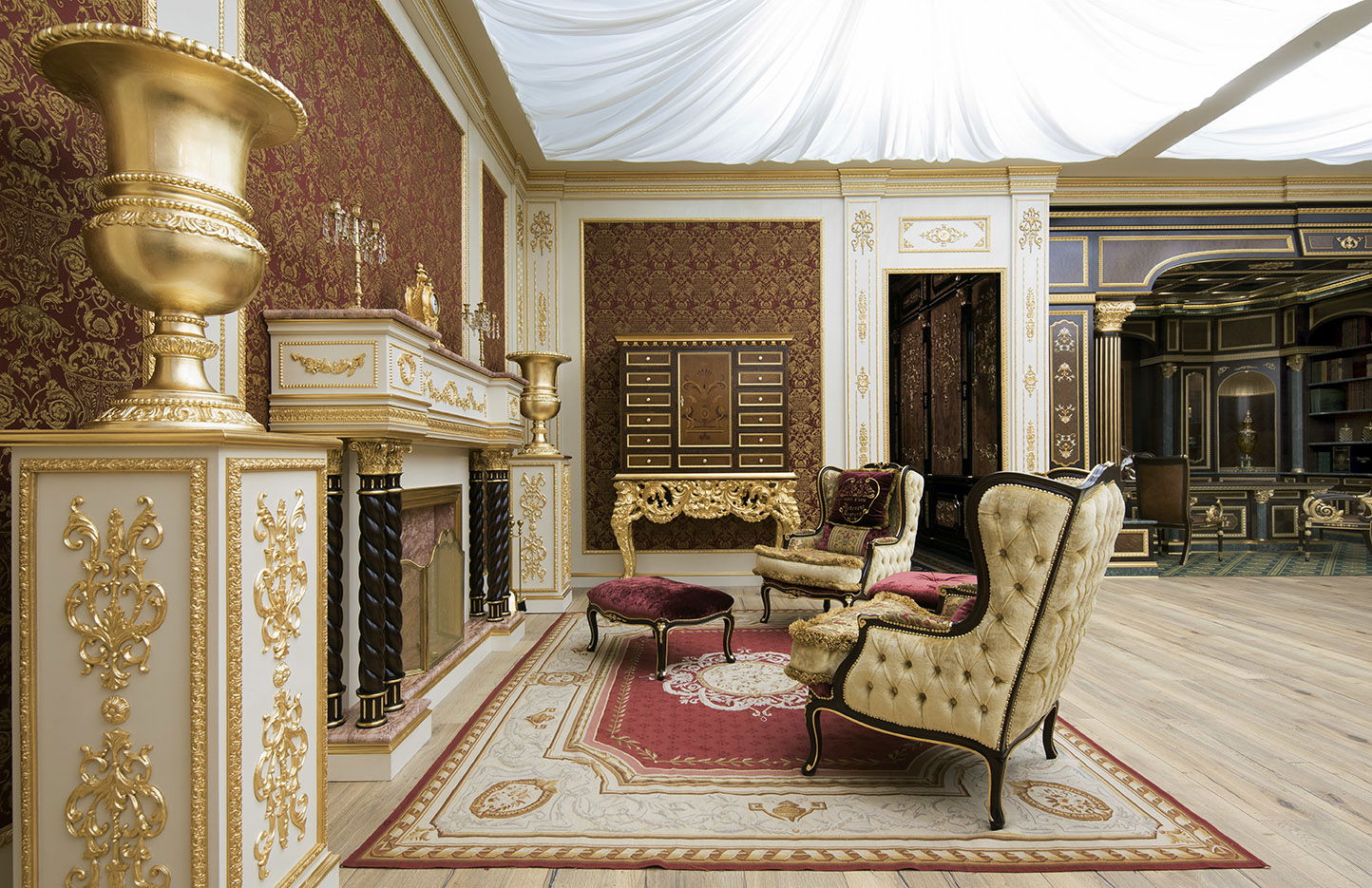
Gilding has been used since the Renaissance to give furniture an expensive appearance. This is done by applying gilding to certain parts of the furniture, thereby highlighting and accentuating certain parts. In the past, gold leaf, which was very expensive at all times, was commonly used for this purpose.
Today there is a wonderful alternative, gilding. It is much cheaper and can be perfectly applied to any surface. The technology of the process is much easier, and therefore the gilding of furniture with gold leaf has an affordable price and is done quickly enough.
Gold leaf is a very thin film of gold that is glued on furniture, stucco and other items for decoration. Gold leaf has a considerable cost, because it takes two kilograms of gold to produce a kilo of gold leaf. So, gilding furniture with mosaic is a pleasure, to put it mildly, not of the cheapest.
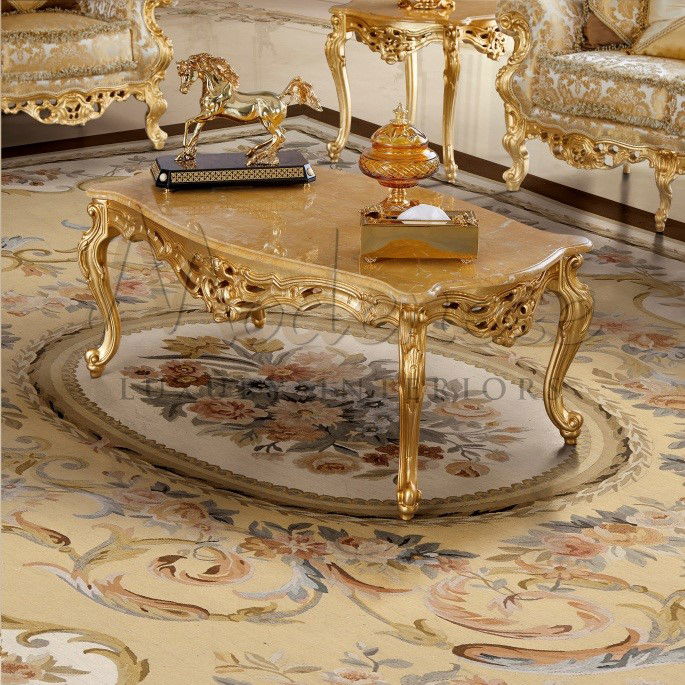
Not everything that glitters is gold… Gilding is the process of applying gold on wood, metal, glass, or ceramic. Frauds abound, and a buyer should exercise extra caution while making a transaction, hence the importance of this essay.
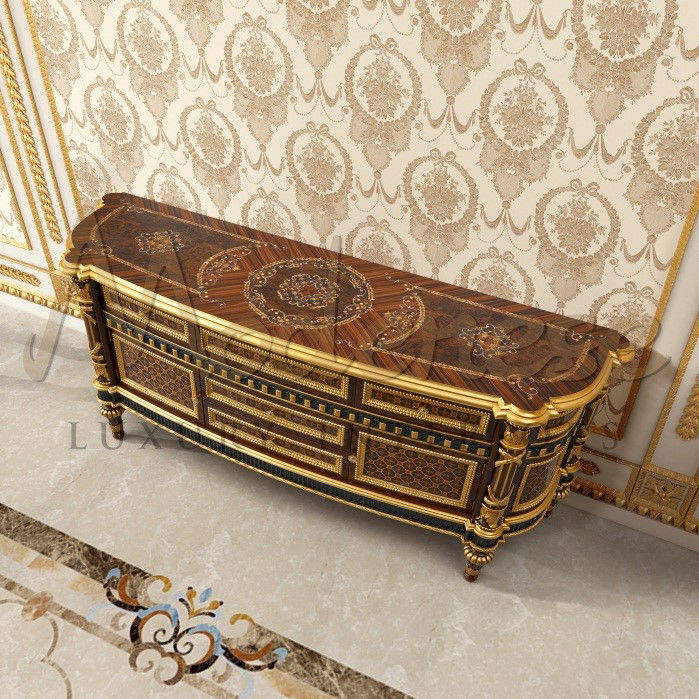
Gilding is the application of gold on wood, metal, glass, or ceramic. It is also, by extension, the coating of copper or another metal that imitates gold, such as a silver layer topped with a golden varnish.
To get to the heart of the issue, the fundamental approaches should be presented first. There is also a relatively inexpensive alternative to gold leaf, gilding. This material looks a lot like gold leaf, but it does not contain precious metals. To be more specific, it is made of an alloy of zinc and copper (to get the color of gold) or silver and aluminum (for the color of silver). The gilding is a complete imitation of gold leaf, which is why it is a favorite in the creation of furniture, particularly by the Italians.
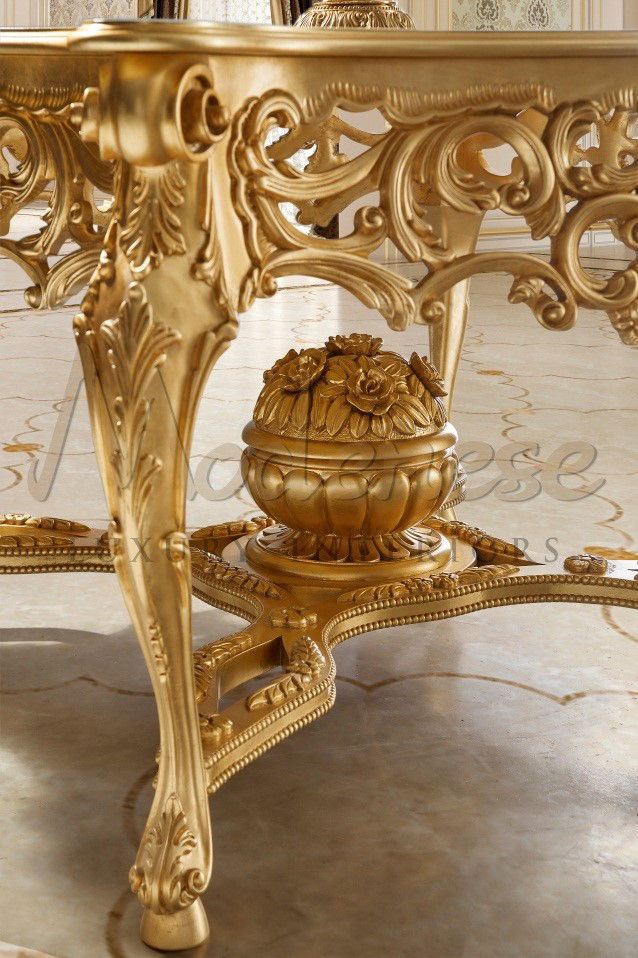
Of course, technology has come a long way, and now the production of gold leaf is radically different from the process of a few centuries ago. Previously, to obtain the most delicate gold leaf, a piece of gold was flattened on an anvil with a hammer and then worked for many hours with hammers of various weights. It was only after all this effort that the thinnest gold film was obtained, tens of times thinner than our hair. Of course, today’s gold leaf is made not by the incredible strength of the workers, but by the precision of computer-controlled machines.
Applying gold leaf, gilding, is quite a labor-intensive process that requires experience and special skills. Of course, if you try very hard, you can independently master this work, but most often you need to turn to professionals.
Oil gilding is most commonly used because of its comparative simplicity. It is suitable for many surfaces: wood, glass, metal, and plaster. With this method, you can get a matte surface without a bright sheen. In oil gilding, the surface is ground, and the gold leaf is applied to it (on the mordant, a special oil varnish). Because of the oil varnish, it is no longer possible to polish the gold leaf, so the surface remains matte. Due to the oil gilding surface has excellent resistance to moisture and temperature changes.
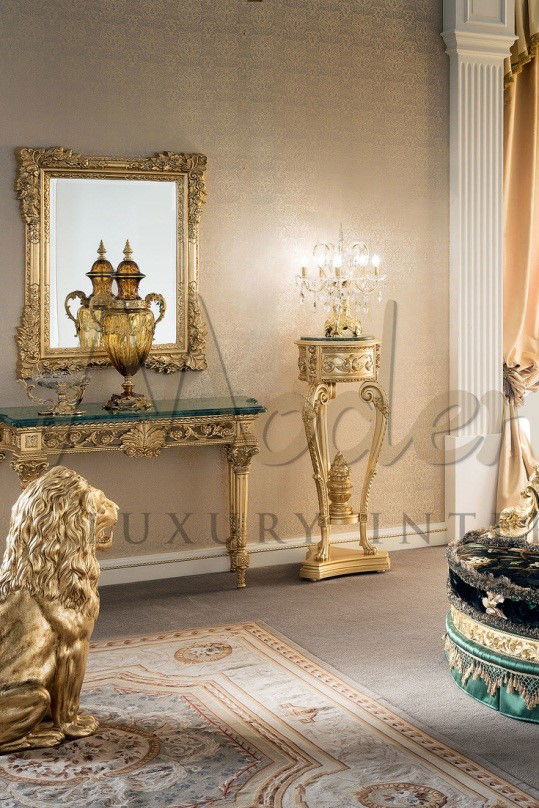
The glue method is the oldest type of gilding, which requires a lot of time and effort. It is preferred for furniture made of natural wood and polyurethane. It is interesting that over the centuries of the existence of this method, its technique has not changed.
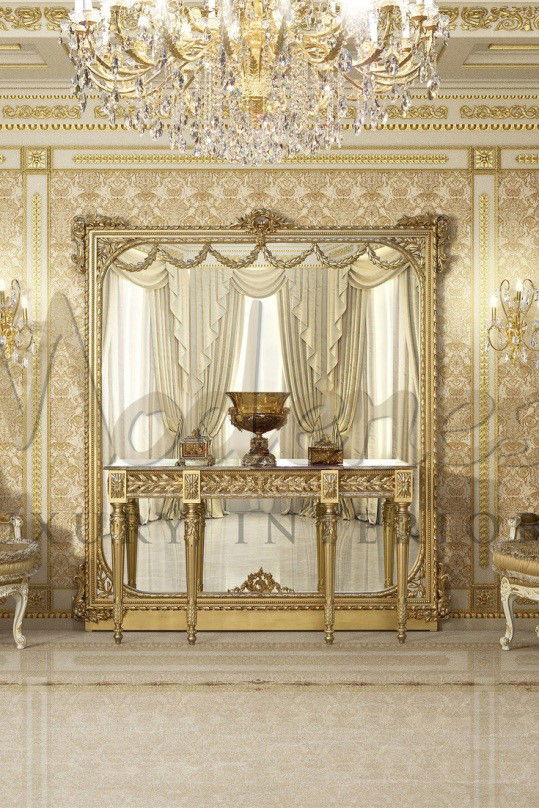
Glue gilding includes:
- sanding the surface,
- application of primer to a previously prepared surface,
- application of polymentum,
- preparation of the levkas and its application,, gluing the gilding sheets.
您常问的问题
何时使用金箔,何时使用金饰?
金饰用于装饰墙壁、天花板、灰泥和家具,即当覆盖区域较大且使用金箔变得不合理时。
您也镀银和铜吗?
我如何获得我想要的色调的金色?
金箔或金饰需要涂层吗?
Frequently asked questions
什么是鎏金技术?
鎏金是在木材、金属、玻璃或陶瓷等表面应用黄金的过程,旨在使家具呈现昂贵的外观并突出特定部分。广义上,它也指涂覆铜或其他模仿黄金的金属,例如镀金清漆的银层。
黄金箔片与鎏金材料有什么区别?
黄金箔片是极薄的纯金薄膜,成本相当高。鎏金则是黄金箔片的替代品,由锌和铜的合金或银和铝制成,不含贵金属,因此价格更实惠且工艺更简单。
油鎏金和胶水鎏金有什么不同?
油鎏金适用于多种表面,能获得哑光效果且具有出色的耐湿耐温性。胶水法则是最古老的方法,需要大量时间和精力,主要适用于天然木材和聚氨酯家具。
为什么建议对鎏金表面进行涂层保护?
黄金箔片和鎏金材料非常薄,容易被指甲或其他物体刮伤,因此强烈建议使用贝壳蜡或丙烯酸清漆进行固定。此外,在潮湿区域进行涂层保护对于防止材料氧化也是必要的。
应该在什么情况下选择使用黄金箔片?
黄金箔片合理地用于圣像、纹章和小型区域的专属物品。当覆盖区域很大,例如墙壁、天花板、灰泥或大面积家具时,使用黄金箔片变得不合理,此时则更适合使用鎏金。